Changing Pace
In September a period of transition began, the kind where you feel something shifting in your head but can't yet say what. I had been back in Sicily for a few months and was planning my next moves without any real hurry to leave, which was rather strange for someone who, only a few months earlier, felt the need to change place after just a few weeks.
Seeing what I know again
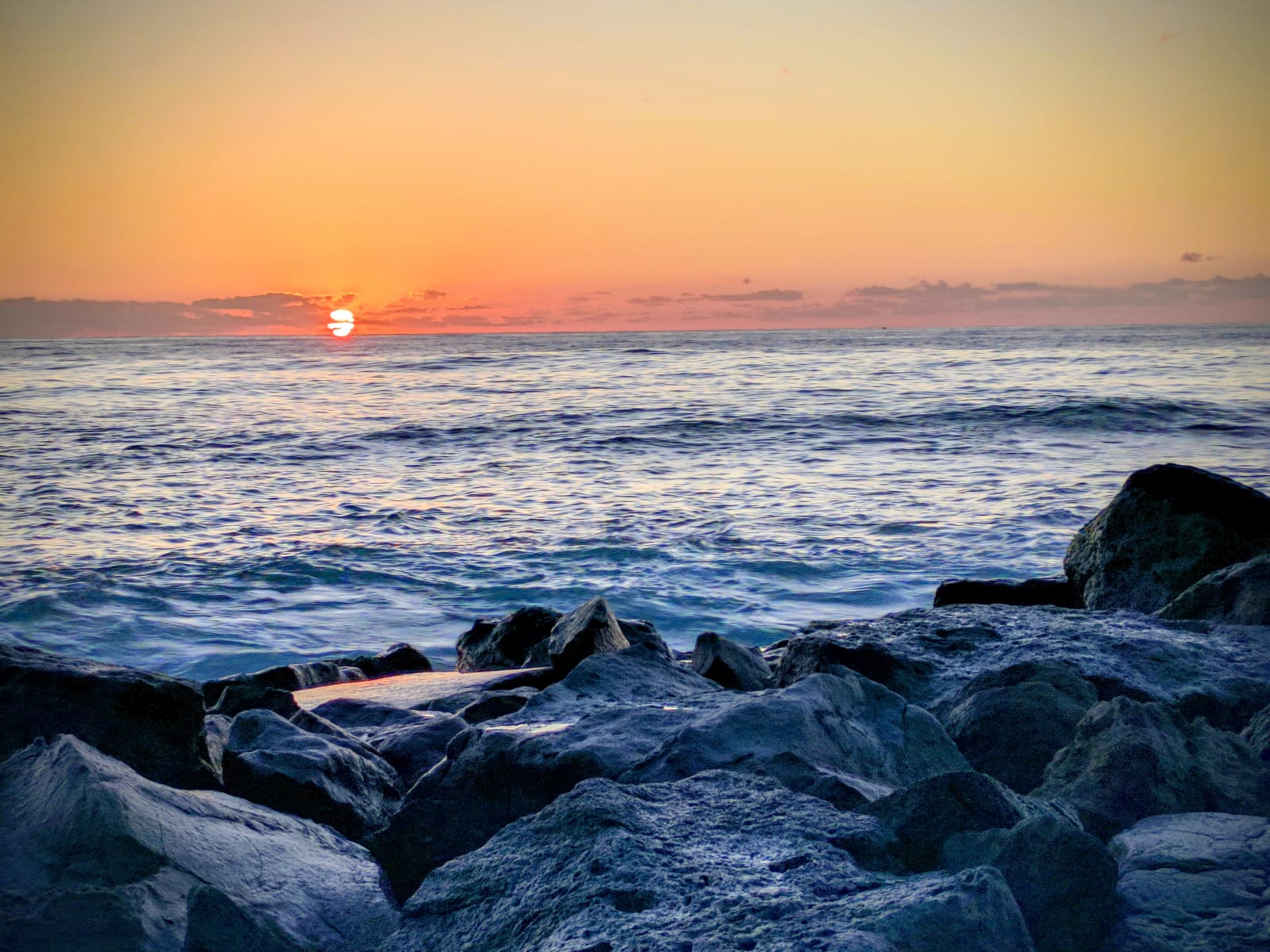
One morning at dawn I went alone to Santa Maria la Scala. I've been there hundreds of times, it's one of those places I know by heart, and yet I found myself sitting there watching the waves as if it were the first time. Same sea, same rocks, but I was looking with different eyes, with an appreciation that hadn't been there before.
The same thing happened on Etna, where I explored trails I had always seen right next to the usual ones, the ones I've walked for years, without ever taking them. Almost unexplored by anyone, a stone's throw from the most popular routes... It struck me to think I had passed by them so many times without ever turning my head. There are places that seem so familiar, yet we will never truly know them.
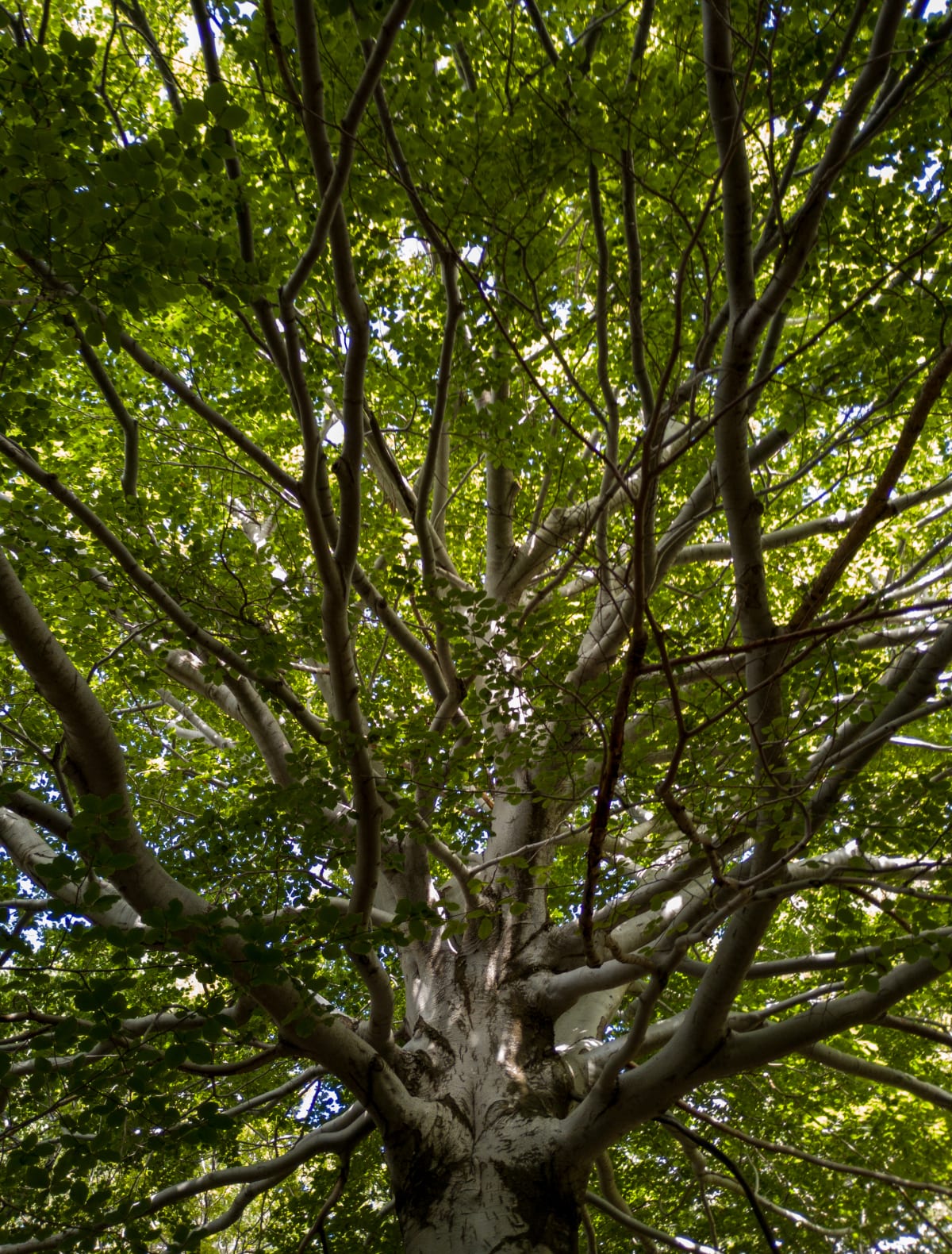
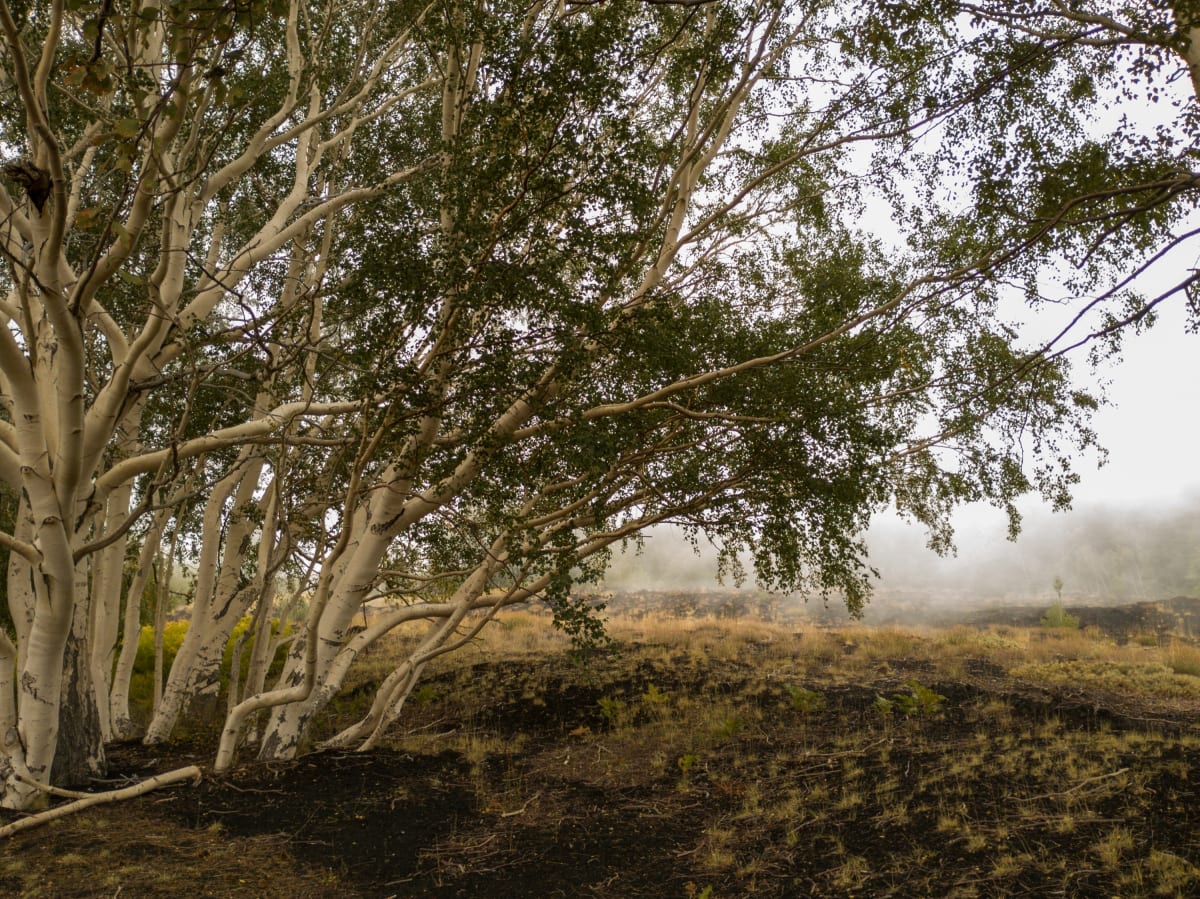
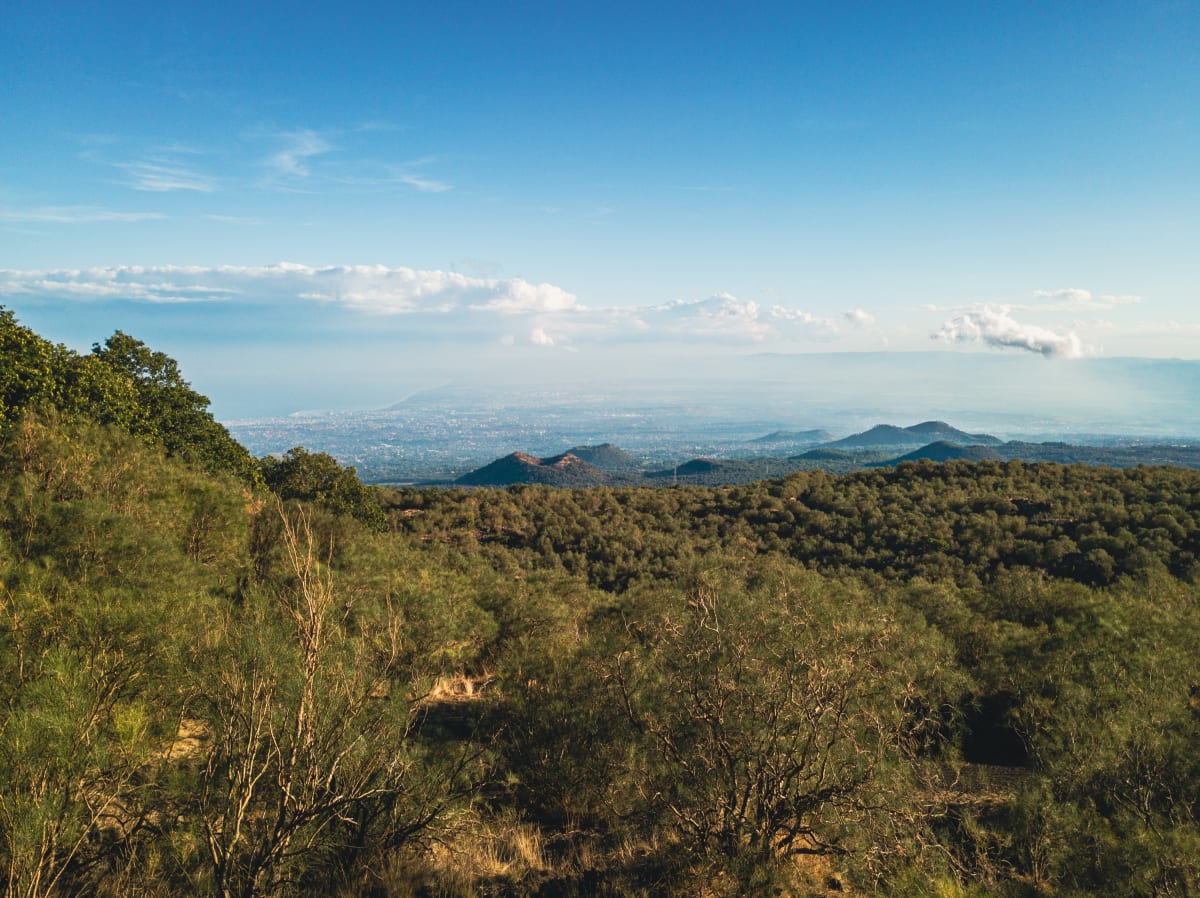
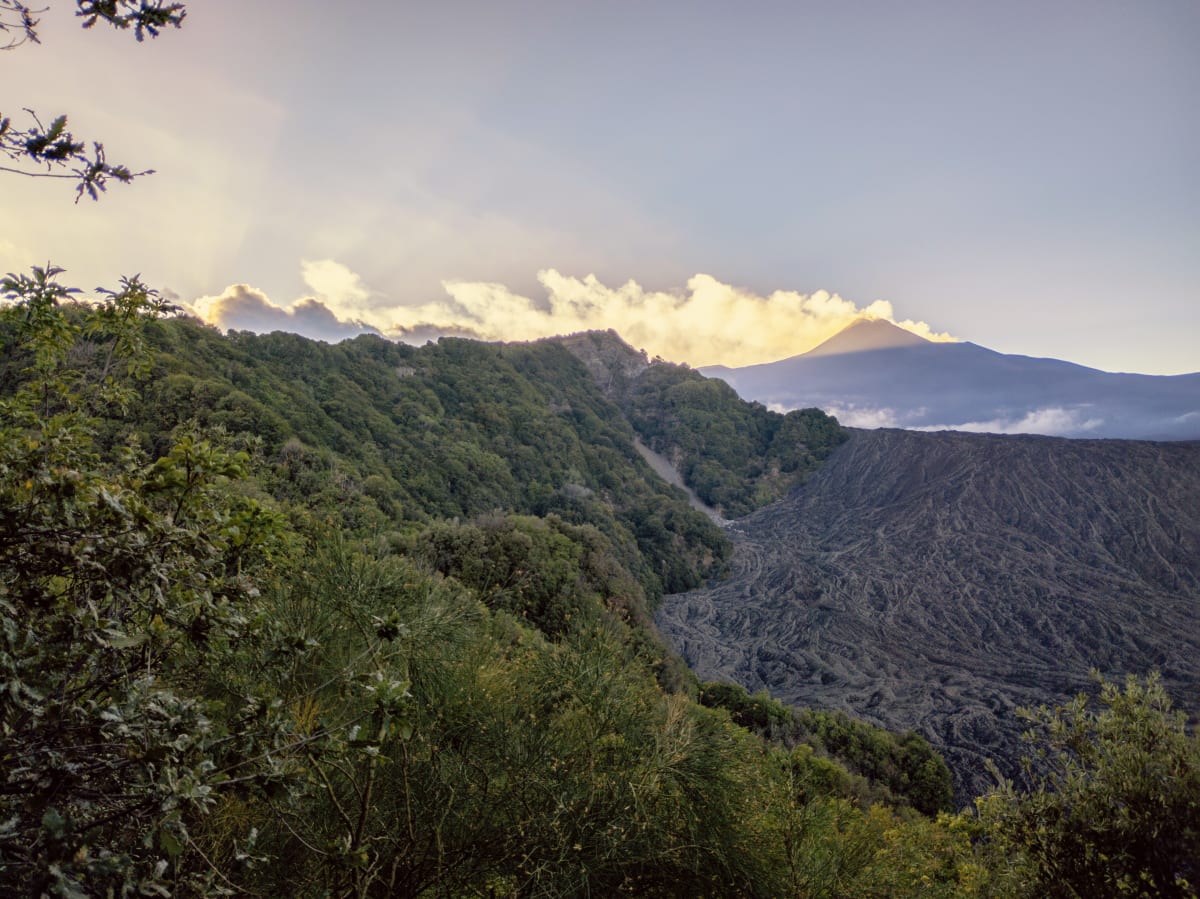
Maybe it was the way I was looking at them that had changed. After months in Turin, Calabria, and the mountains of Piedmont and Aosta Valley, I had come back with different eyes: the familiar things hadn't changed, I had. It was exactly what I had written before returning to Sicily, living in your own home with the mindset of travel, but it's one thing to write it and another to realize it's really happening.
The room in Avola
In October I rented a room from a friend in Avola. A base that allowed me to experiment with a different way of living on the move. For the first time I used the van intensively, often spending the night out, without having to return to the same place every evening.
I felt freer, with more chances to explore and, something I didn't expect, with more space in my head. New thoughts arrived, one after another, and with them new reflections.
The computer and the question I never asked
One of these reflections concerned the computer. I've worked in IT for years, I like it and I'm still doing it, but at some point I asked myself a question I had never allowed myself before: is this really the only thing I can do? And above all, could I build a life in which it takes up a different amount of space?
I also realized that spending the whole day sitting in front of a screen has a cost, and that I only noticed it once I started moving more. A bit like background noise that you only really hear the moment it stops.
Slowing down
My housemate showed me how important movement is for the body and, above all, how important it is to slow down during the day. Put like that it sounds trivial, but I was used to exactly the opposite.
In those weeks I understood that I lived everything as a task to be completed. Every activity had a goal, every day a list, and even free time ended up becoming just another item to tick off. A pace that, even when it seems sustainable, slowly leads you toward burnout, made of tasks, habits and small pressures that pile up without your noticing.
I asked myself: who's making me do this? And the uncomfortable answer was that nobody was asking me to live this way. It was me, with the same old rush, just transplanted to a more beautiful place.
I remembered a page by Gianluca Gotto about the metaphor of the turtle egg: if you break the shell from the outside to speed things up, the life inside dies, because the shell has to break from within, when the time is right. Everyone has their own timing and there are no universal guidelines. What's the rush?
Slowing down made me rediscover the pleasure of doing something without having to produce anything: walking without a time to keep, being in a place without having to tell its story, improve it, or turn it into something.
Maybe slowing down doesn't mean doing less, but ceasing to live everything as something to be completed.
The body that remembers
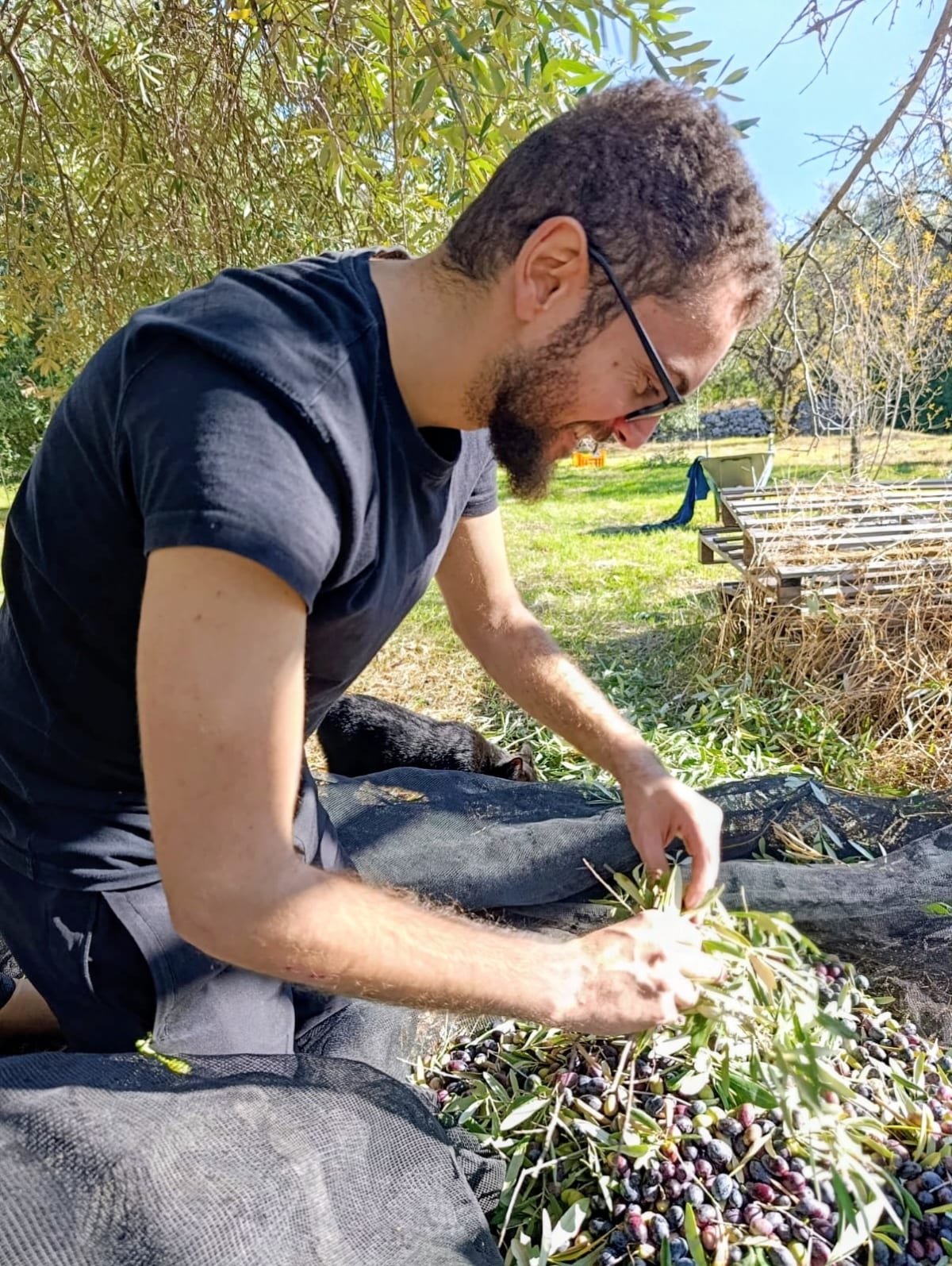
It was my body that helped me understand this better. I took part in an olive harvest at a friend's place, where I also did yoga with an instructor who is a friend of hers. After so much time spent sitting, I felt wonderful, as if my body had suddenly remembered it was made to move. Manual work done in company also has a rhythm all its own, slower and more pleasant, with no rush to finish.
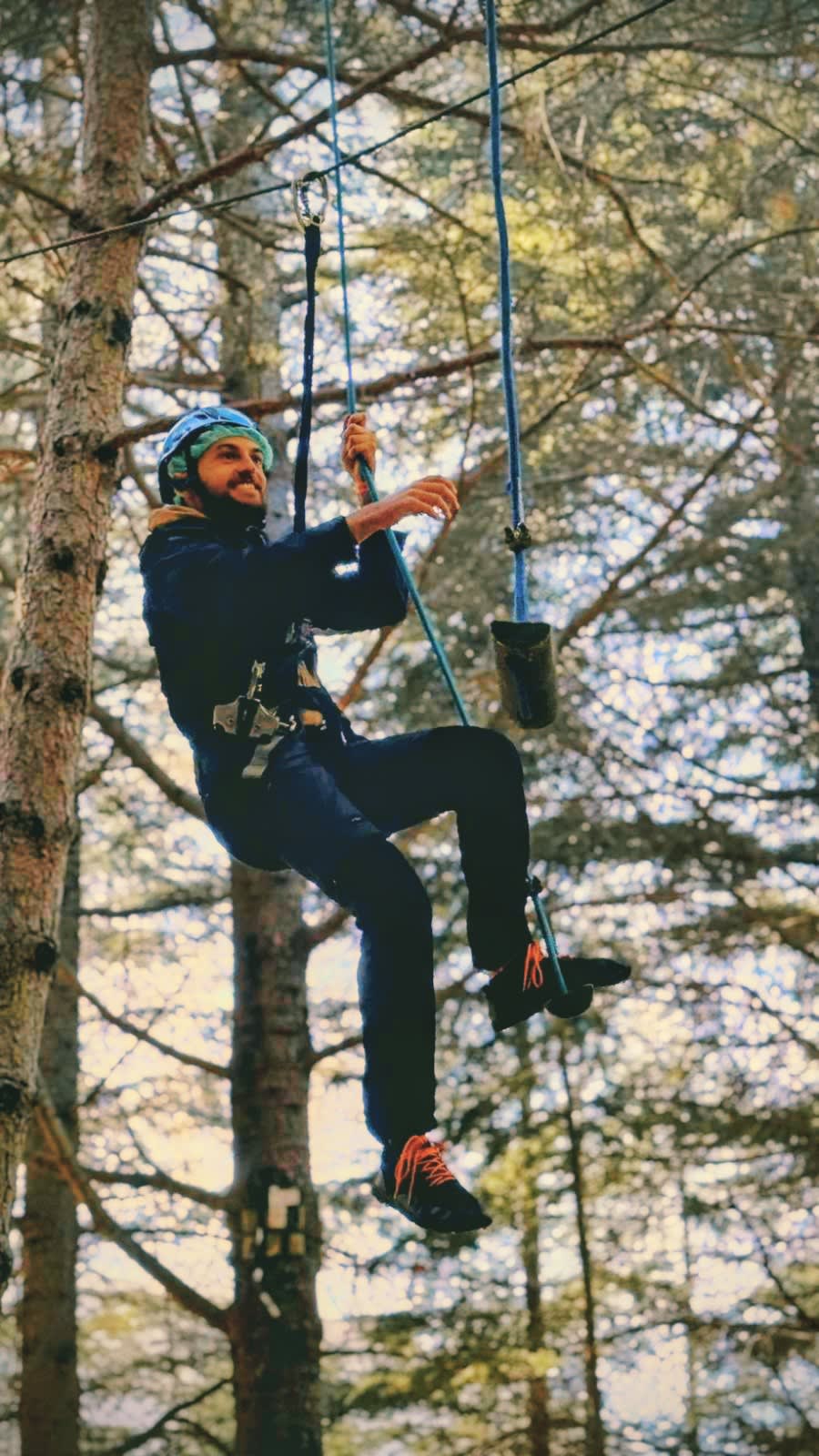
Then came the adventure park in the Madonie. I managed to complete all the courses, something I hadn't been able to do years before. I believe a plant-based diet helped enormously, both in my physical change and in my energy, and I discovered I have more strength and endurance than I thought. It was a wonderful surprise, a small revenge on the me of a few years ago.
A new direction
In the middle of all this, an idea began to take shape: trying out a path to become a nature guide. For now it's a road I'm exploring and I'll talk about it more later, but even then the underlying concept interested me: that time spent in nature could be more than just a break from the rest of life.
I liked the idea of accompanying other people to look with new eyes at the places they think they know, just as had happened to me. I didn't know where it would lead me, and for once I didn't feel the need to know right away.
📻 Soundtrack
📻 Colonna Sonora

🎵 Caricamento...
YouTube Music
Hoppípolla is an Icelandic word meaning “jumping in puddles”. The title alone would explain why I chose it: it's the most useless gesture there is. It serves no purpose, produces nothing, leads nowhere, and yet it's exactly what a child does when they see a puddle, without asking whether it's appropriate or reasonable.
In that period I was learning precisely this, to do things for the simple pleasure of doing them. Sitting down to watch the waves of a place I know by heart, walking a trail without a time to keep, picking olives in good company without looking at the clock. As adults we tend to filter every experience: is it useful? is it productive? does it make sense? A child, instead, just jumps in.
The song is almost entirely in Icelandic and I don't understand the words, but it doesn't matter. It starts softly, then builds until it becomes overwhelming, and you feel it in your body before it even reaches your head. It reminded me of that bittersweet feeling of looking with new eyes at something I've always had in front of me: I can't go back to the moment I first saw it, but I can carry a little of that wonder with me.