Naked
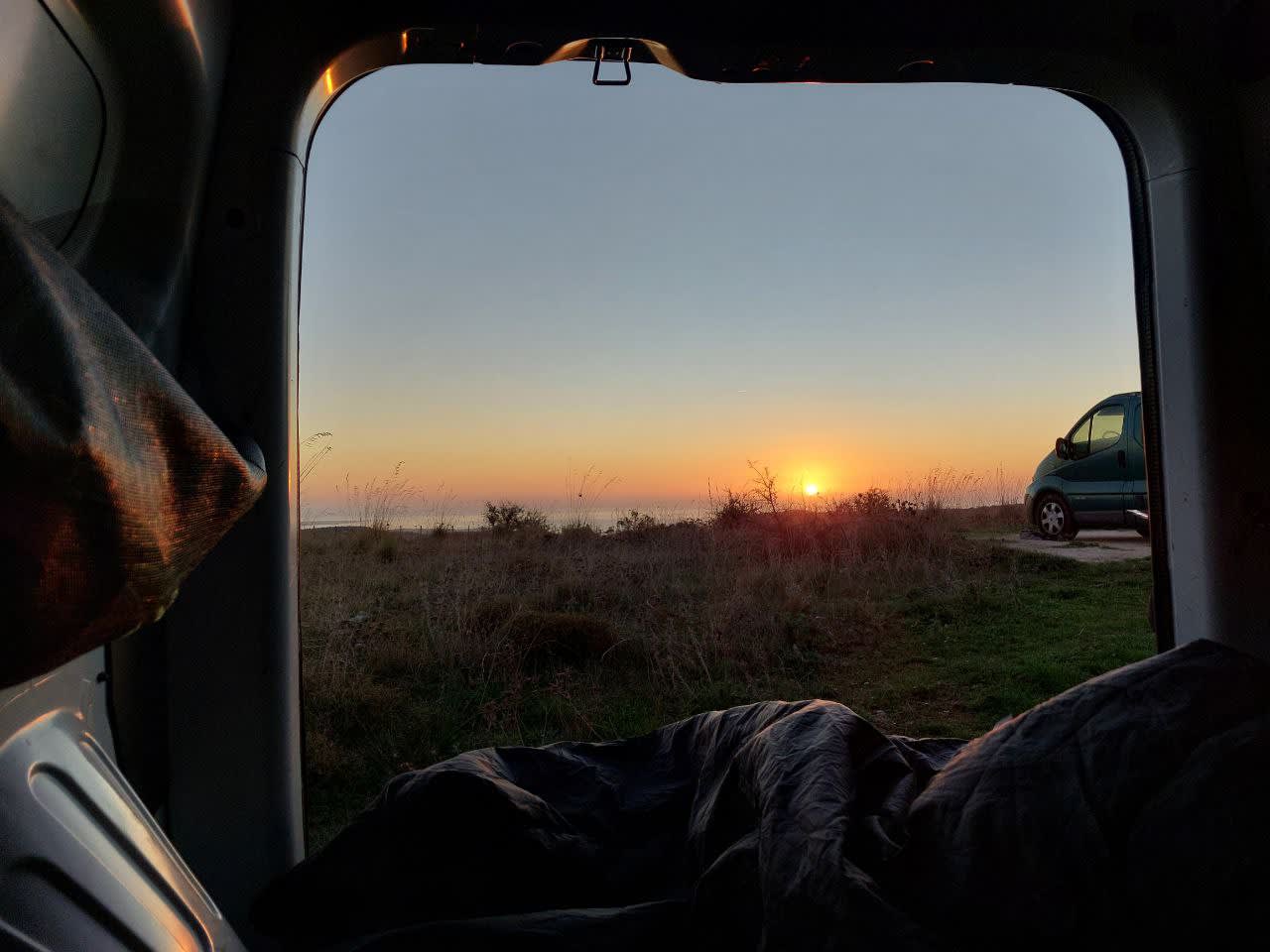
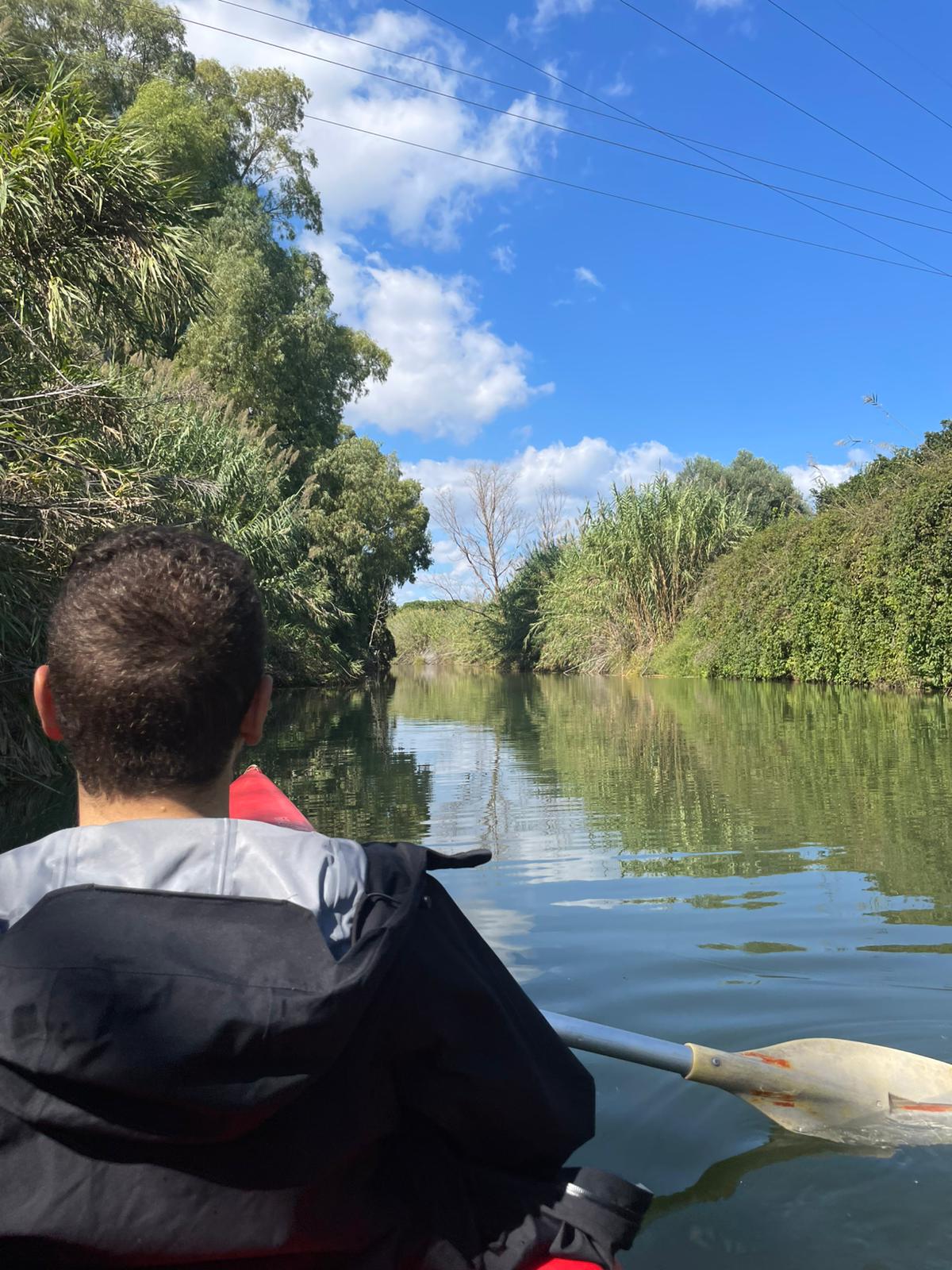
That autumn the Iblei mountains became my backyard. I walked barefoot at Vendicari, watched the sun go down behind Noto Antica, let myself drift by canoe along the Ciane river, and slept in the van in places where at dawn the only sound was the wind. Simple days that didn't need anything extraordinary to become unforgettable.
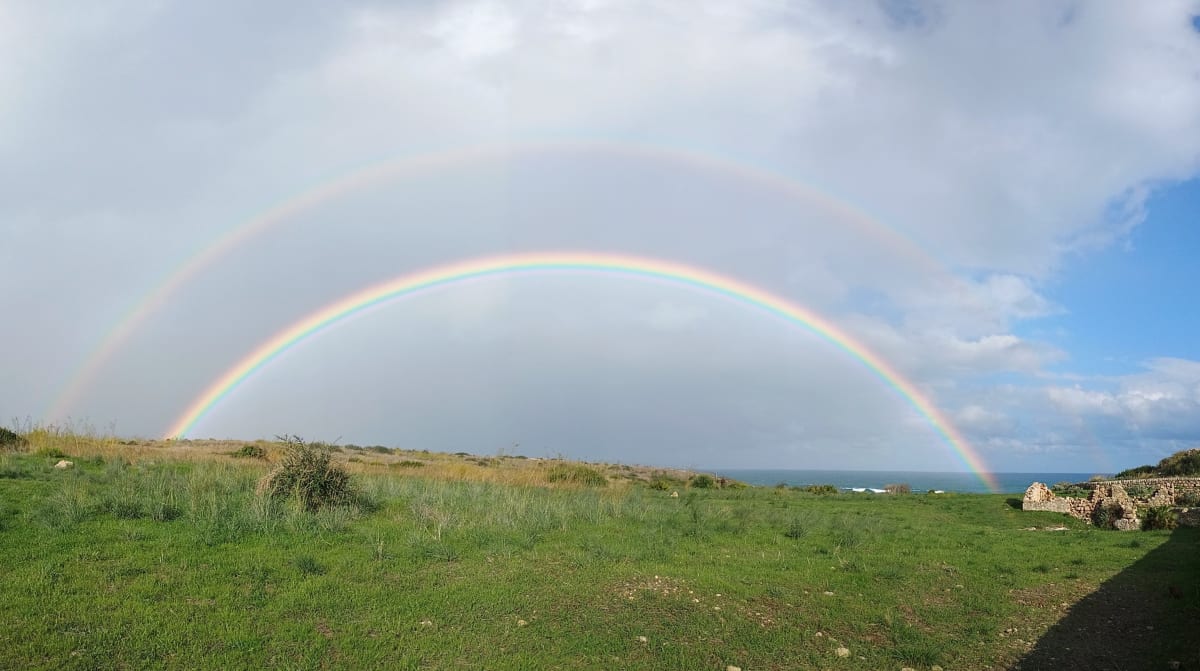
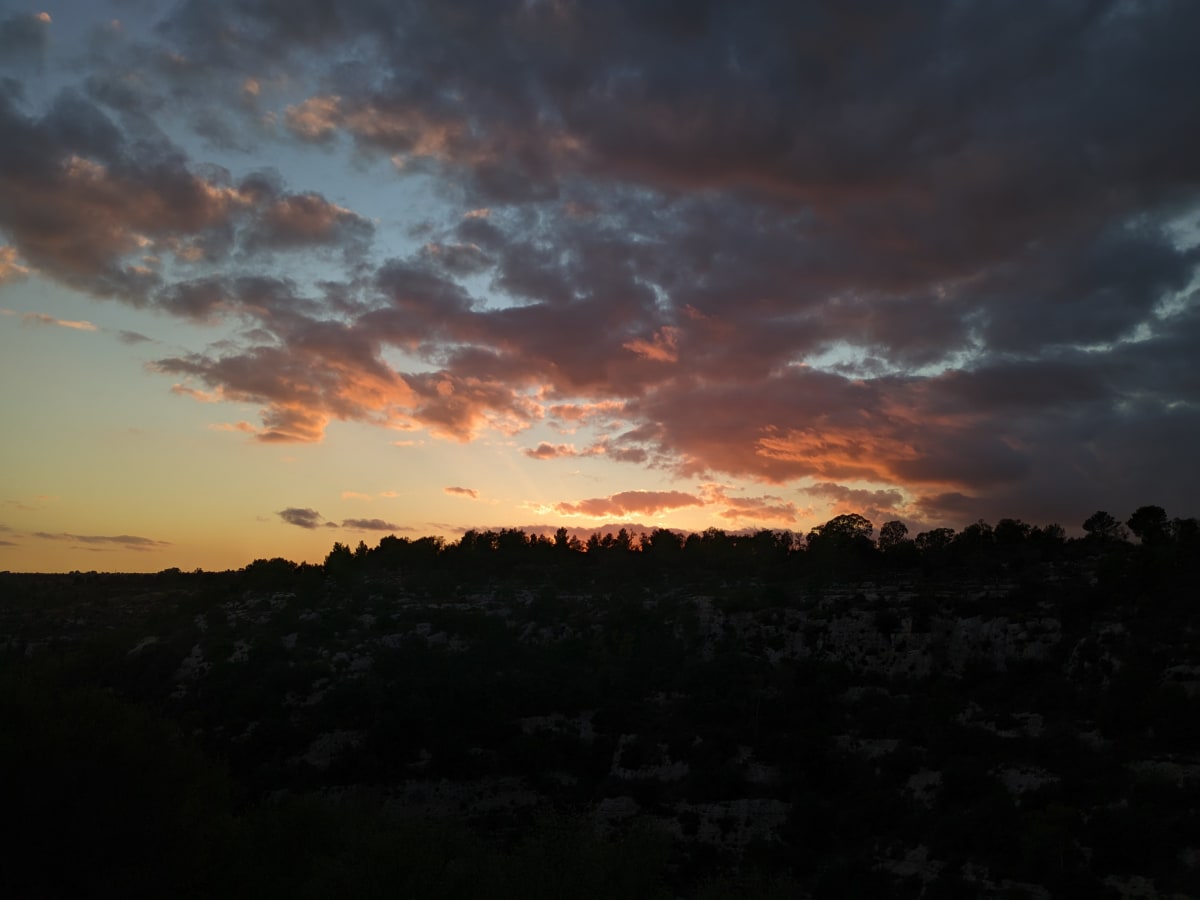
Then there were the swims at Cavagrande, in spots that almost nobody knows, among the rock, the silence and the water. Completely naked. And that's where it all began, more or less.
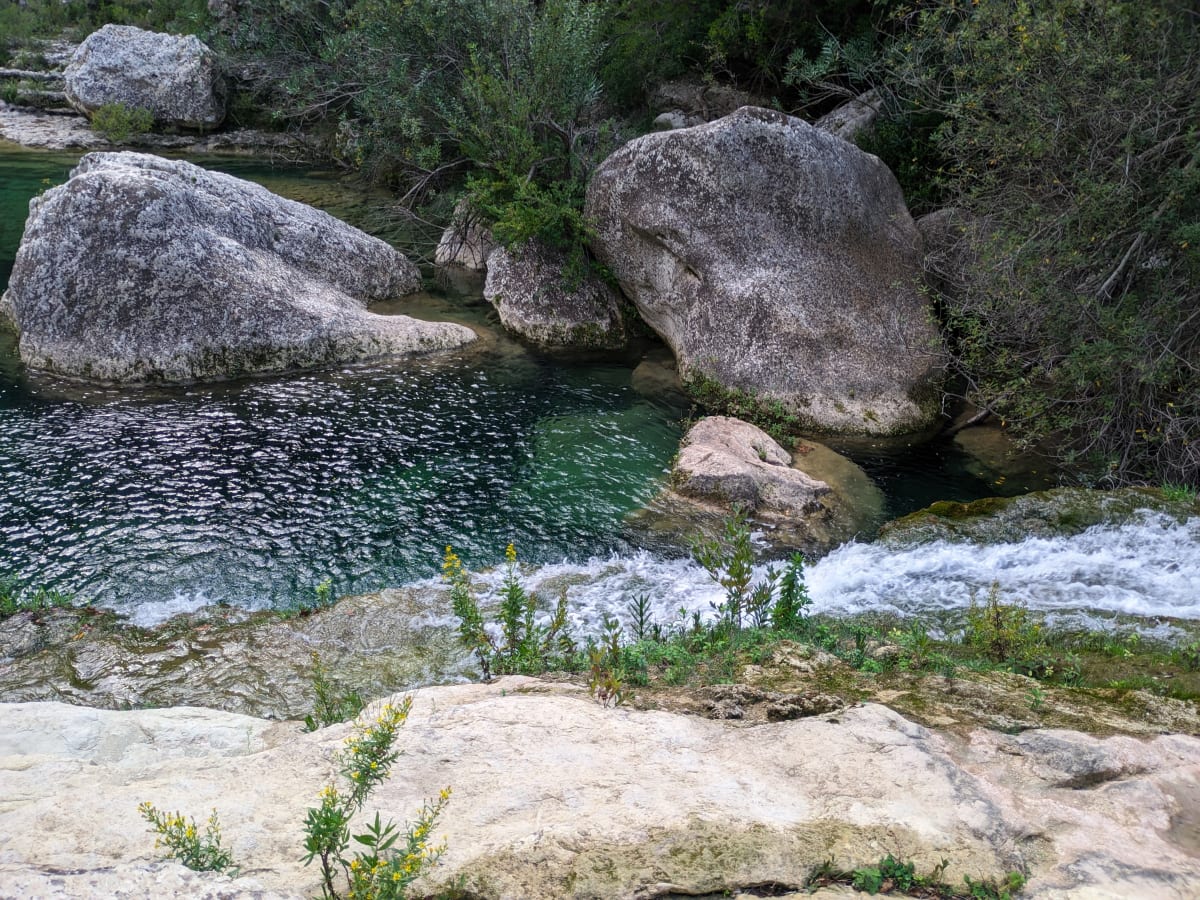
The first time, despite the cold
I'll admit it, it wasn't the ideal season. The cold had a lot to say (and my body had some very clear opinions about it), but curiosity won and for the first time I tried naturism.
What surprised me most was how normal it felt. I was alone, and I still expected a bit of embarrassment, but there was only my body, the water and the rock, and nature, through all of this, couldn't have cared less what I looked like. When I later tried it with other people, I found the same feeling again: a body is just a body, and being naked doesn't have to mean anything else.
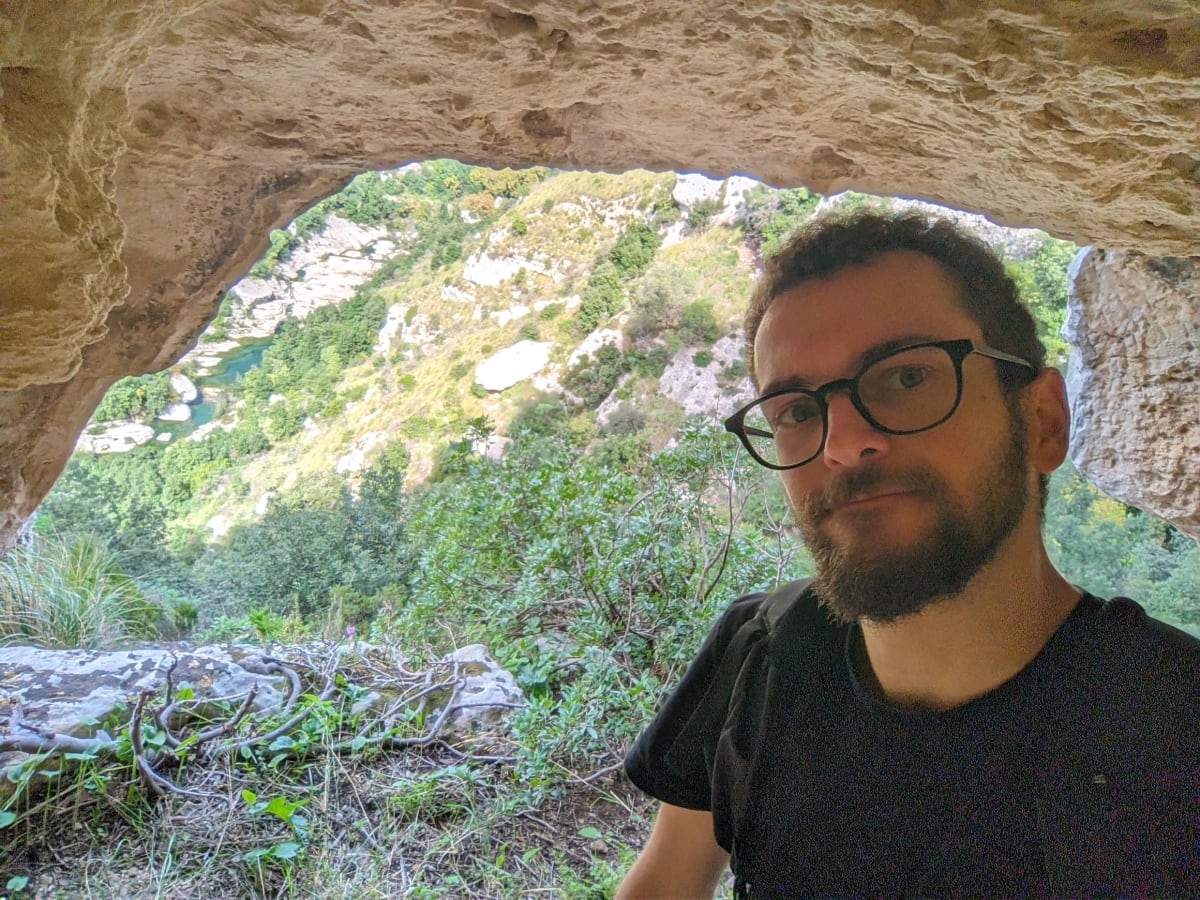
I found myself thinking about something curious: every one of us is born naked, so why should the exception be the person without clothes and not the one who wears them everywhere? In Genesis, if you think about it, Adam and Eve cover themselves of their own accord after eating the fruit, and that's exactly where shame appears. Maybe clothing was never only about the cold.
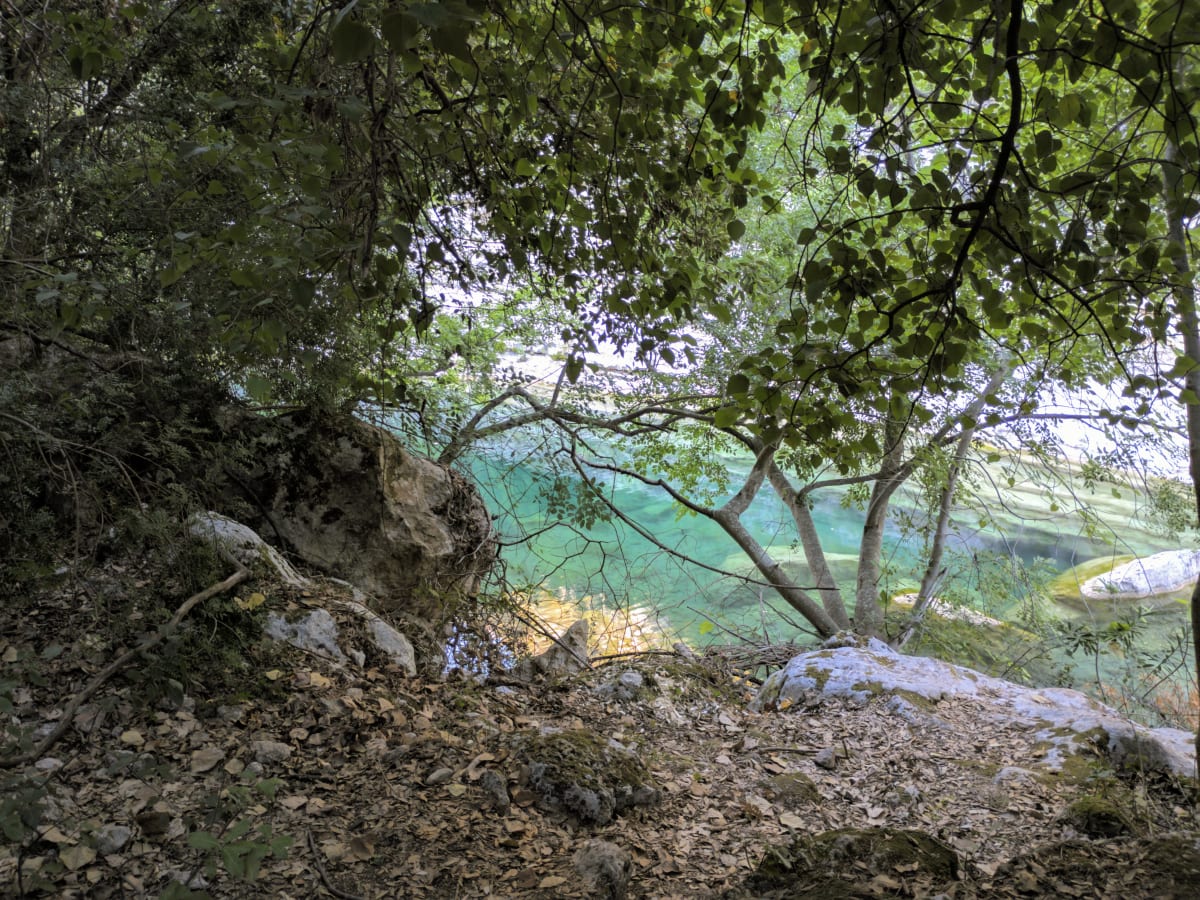
I had already written about this when I talked about minimalism: someone who dresses simply doesn't need to hide in the details. Here the idea went one step further. Without even those, what's left? What's left is who you are, and I discovered that it isn't scary at all. For the first time I felt simply comfortable in my body, just as it is.
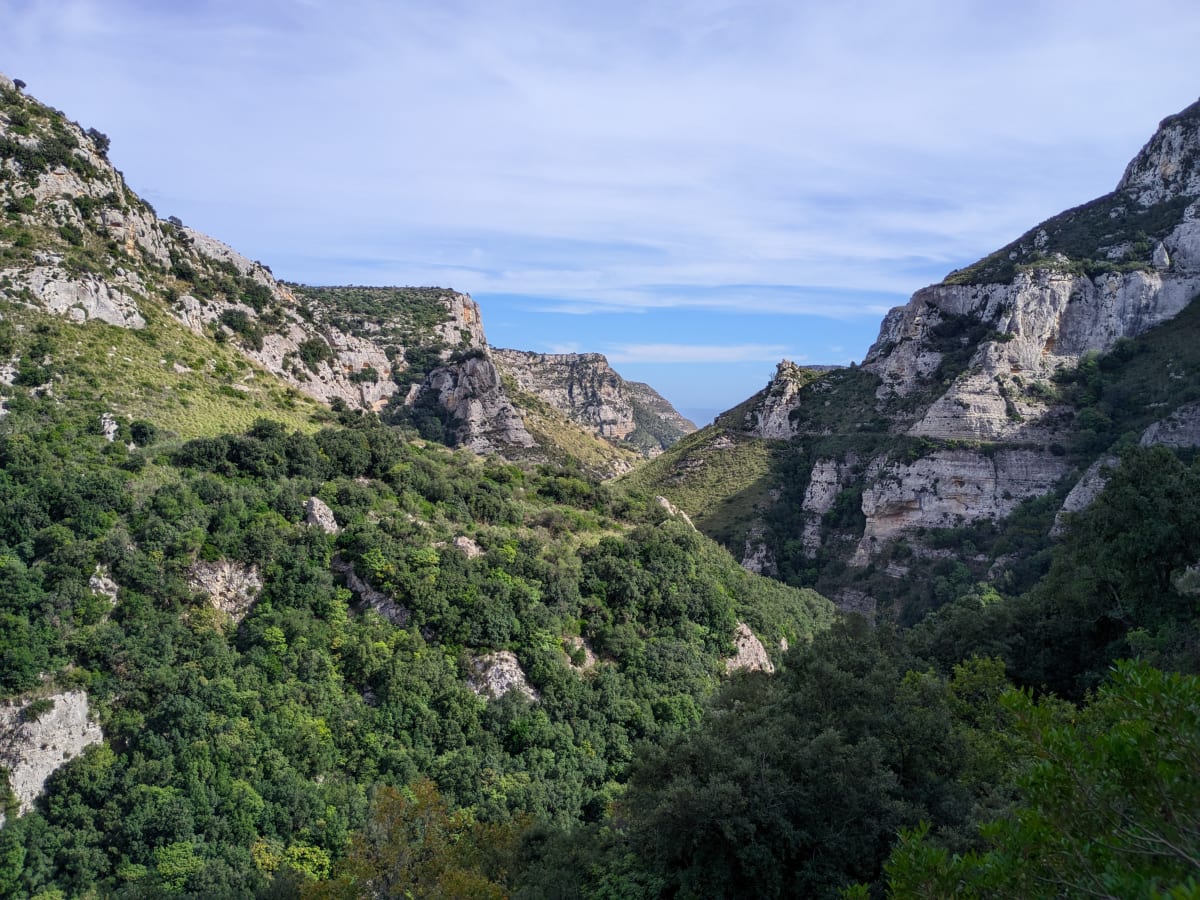
How many masks do we really need?
I believe self-acceptance starts here too: from allowing yourself to exist in the world without correcting anything. And yet we spend our lives doing exactly that. We adjust ourselves, we smooth ourselves out, we show the most presentable version of us to be accepted, and often we succeed, but at what cost? If people love you only with the mask on, who exactly do they love?
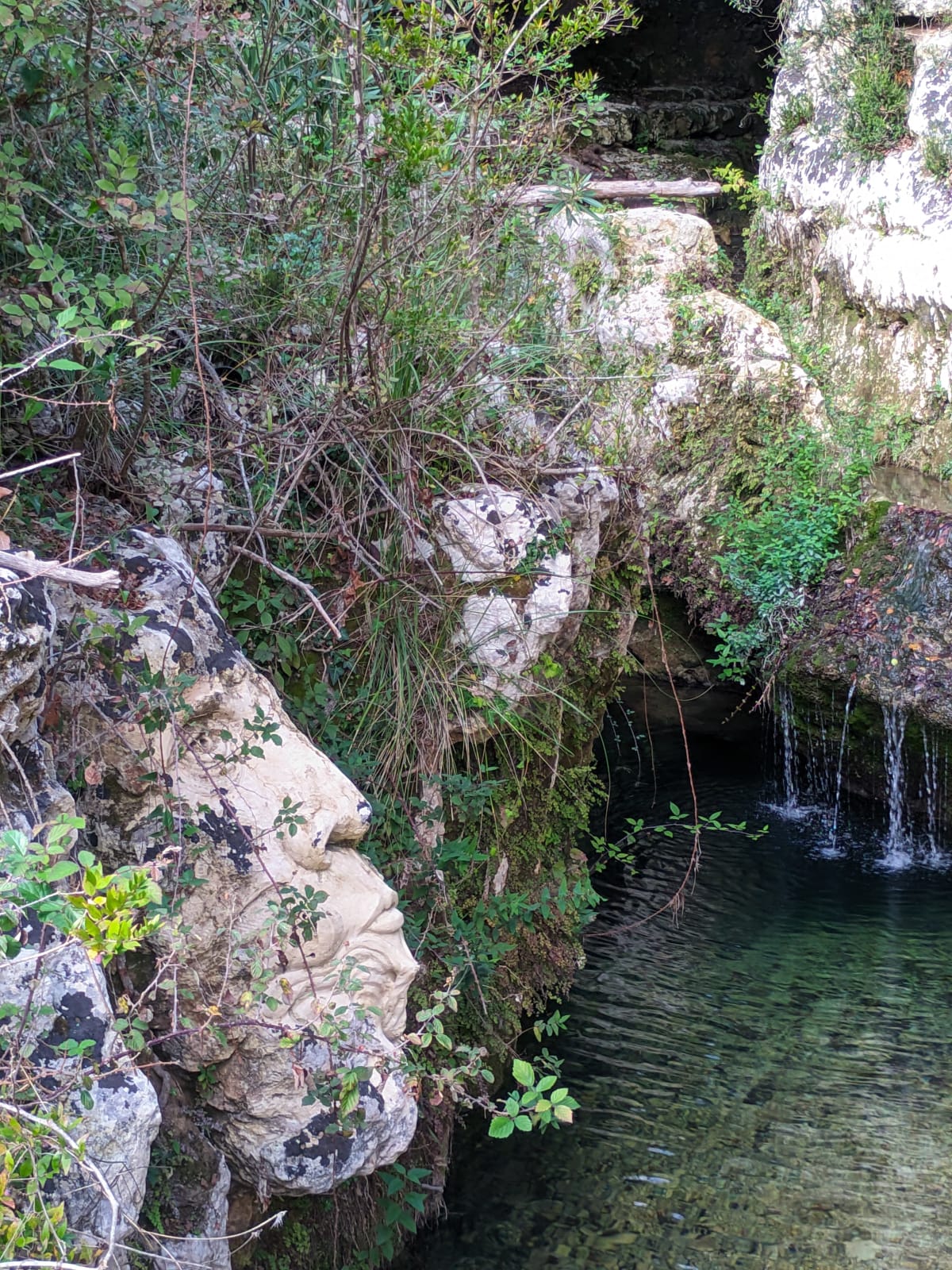
Seneca wrote that most people rely on the most uncertain guide of all, common opinion, which is why they keep swinging between rejection and acceptance. It came back to me while thinking about how much time I've spent adjusting myself to other people's eyes.
Connections without a script
Over the years I've understood that people come closer, drift away or change place in our lives, and that someone dear to us can become something else, or something we couldn't even define, without taking any value away from what there was. We've been taught to believe there's a manual with ready-made categories (friendship, couple, ex, acquaintance) and that every relationship must fit into one box. I prefer not to label anything and simply call them connections: they are the people I connect with and whom I'd like to be part, in some form, of my life. Not necessarily forever, but for as long as life wants it for both of us.
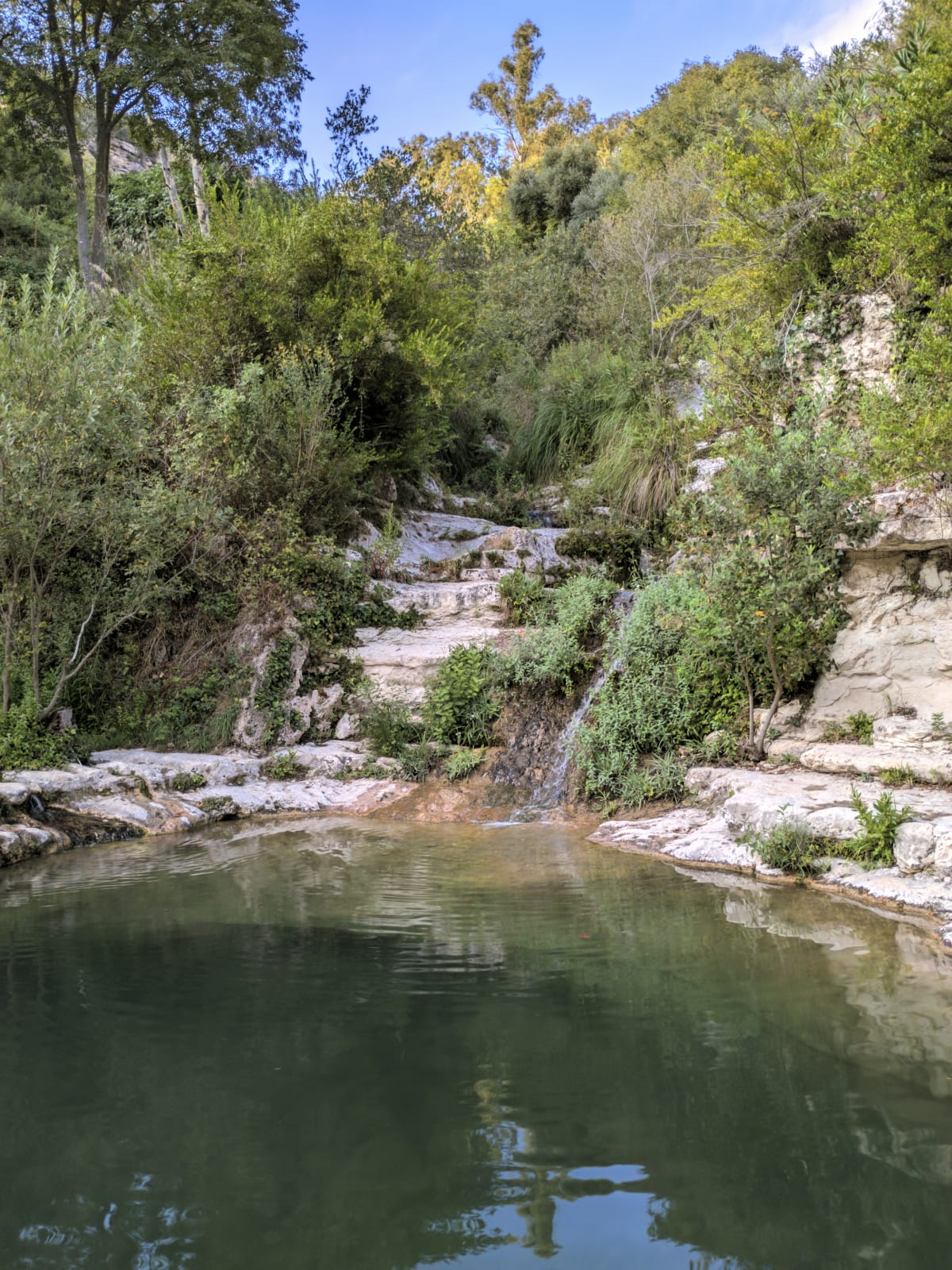
Every connection, when you look closely, is its own story, with its own timing, its own dynamics and its own rules, which perhaps we should build together with the people involved instead of inheriting them from someone else. It doesn't mean "no rules" or "no responsibilities", quite the opposite: it means taking the trouble to decide, to talk, to question, to renegotiate when needed. Rules that are born this way aren't dogmas, they're agreements that can be revised. It's much harder than following a script (and that's exactly why almost nobody does it).
And then there's honesty. How many times have we kept something from someone we love out of fear of how they'd react? And how many times have we suspected the other was doing the same with us? I've found that waiting for the other person to speak first gets you nowhere: either I start, even if it costs me, or we both stay in doubt.
For me commitment doesn't coincide with exclusivity, and not with consistency either: a relationship isn't worth more because you talk every day, you can go months without seeing each other and meet again as if nothing had happened. I see it in presence, in trust and in the respect shown when you really meet. Respect also means space: being close to someone without taking up the other's space and without letting yours be taken. And if someone decides to give something up to prioritize a connection, that's perfectly fine, as long as it's a conscious choice and not something taken for granted.
There are many ways to build a connection, and nobody has the right to say which is the only valid one. Unfortunately, in today's society it seems we can only have relationships in the forms society has decided for everyone, standardized, with their own timelines and their own boxes, and everything else is looked at with suspicion.
Even solitude
All of this has a price, and it's called solitude. If you don't wear masks, someone will inevitably be left out, and sometimes the feeling is that you're a bit wrong for the world. I had to learn to stay with myself without running away, without filling every void with the first available person, without seeking affection in exchange for a tamed version of me. It wasn't easy, but I have to say that silence, once you stop being afraid of it, is quite a welcoming place.

At the same time I understood how much authentic connections are worth, the ones where you can be yourself without having to justify anything. That's why I think the choice is this: let yourself be accepted by those who accept you without masks, and welcome solitude when it comes, rather than changing your skin just to avoid being alone. I know very well that nowadays this is really hard for many people, and I don't want to make it sound simpler than it is.
One's uniqueness shouldn't be something to correct in order to be loved.
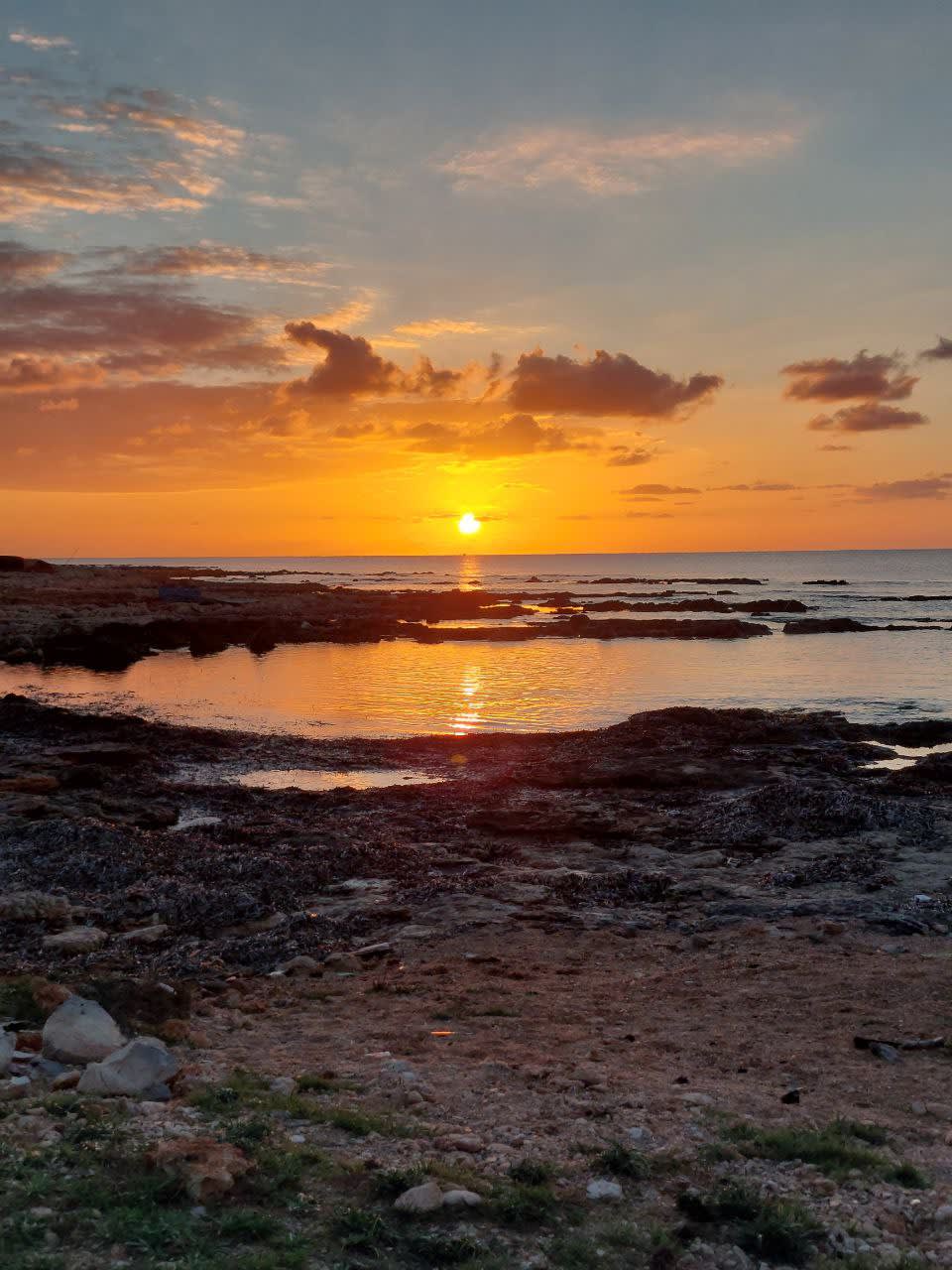
📻 Soundtrack
📻 Colonna Sonora
🎵 Caricamento...
YouTube Music
"Ghosttown" by Madonna reminds me of those moments in the van with a person I talked with for entire nights, from sunset to dawn, without noticing time passing. One of those rare connections where you feel seen for who you are without having to explain anything, and that become a point of reference in a world that too often feels cold.
Listening to it again, it occurred to me that the ghost town of the title isn't just a place destroyed after some apocalypse, but a metaphor for our time. We're surrounded by people, messages and contacts, reachable twenty-four hours a day, and yet depth seems to have disappeared. Social media has amplified the culture of appearances, and we risk confusing approval with connection: more contacts, but not necessarily more closeness.
And yet the song isn't pessimistic. When everything superficial collapses and the lights go out, it imagines someone willing to be the other's fire. It's an image I've carried with me. I think people are a bit like flames: we all look for someone to warm us, and that warmth, when you find it at the right moment, makes you feel good and makes you feel like yourself. But a flame can't be possessed. Shut in a glass case to keep it safe, without oxygen it goes out, and its warmth exists precisely because it stays free. Maybe that's what makes it precious to be there for someone when the light is out: not out of obligation, but because the flame chooses to warm.